The admin that nearly ate my solo business (+ 5 ways I fixed it)
Tim Le Grand has run Kanga Gardening in Melbourne's south east since 2020. In this guest post, he shares the admin habits that keep his business on track as a sole trader.
Article contents
− +- Introduction
- 1. Set a clear scope and price when quoting
- 2. Write job notes while the details are fresh
- 3. Capture receipts as you go
- 4. Create an admin routine that protects your field time
- 5. Regularly review your expenses
- Keep your setup simple
- Admin never goes away, but it doesn’t have to eat all your time

I started Kanga Gardening to spend more time outdoors, and the admin has been trying to take over my work days ever since.
Five years in, I’ve learned how to stay on top of it all with 5 simple habits.
None of them need fancy software (although a good invoicing and accounting app can definitely help).
Here’s the sole trader admin that nearly ate my business, and how I fixed each part.
1. Set a clear scope and price when quoting
A vague scope turns into weeks of back-and-forth emails. Or worse, work you end up doing for free.
The lesson that stuck with me came from a body corporate site, where I was asked about keeping the trees lifted over the paths.
I had a look, never formalised a price, and they never came back to me.
Later, I learned that the client had simply assumed the tree work was already included in our current scope.
Luckily, I was able to save the relationship because I had put all my follow-ups in writing, with my last email saying plainly that the program did not include tree care.
Now my rule is simple: If a job is not priced, agreed and written down, it’s not in the scope.
I always make sure my emails specify this.
Small details belong in the quote too
For example, I always specify whether lawn clippings are caught or left. Catching and disposal of clippings can cost 30–50% more.
Regardless of what industry you work in, it’s important that your clients fully understand what they are agreeing to and the price difference it can make.
State what you can and can’t do from the start
If there are things you can’t do for a client (or don’t want to do), make sure this is communicated in writing to manage expectations from the start.
As an example, my terms of trade carry a clause that no work will be undertaken on trees over 3.5 metres, because I don’t own a cherry picker and I am not insured to work at that height.
Be honest about budgets
Sometimes there’s room to reduce scope to accommodate a smaller budget. Other times, it’s simply not realistic.
For a recent quote, I was asked to work backward from a tight annual budget.
My honest answer was that the lower spend could not deliver the same result they were after. They would either have to increase their budget, or change their expectations.
At the end of the day, promising the same result for less just leads to a dissatisfied client.
Pricing recurring work
For ongoing work, I usually quote a fixed monthly fee rather than an hourly rate. This only works if the scope is tight, which is why everything above matters.
I’ve written more on how fixed fees and hourly rates compare for recurring work here.
2. Write job notes while the details are fresh
The admin I used to lose most time to was remembering small things about each job like:
Gate codes
Lockbox codes
Bin days
Which lawn to skip after rain
I once stood at a lockbox for 15 minutes trying combinations of a code I was so sure I would remember, like I was cracking a safe.
Once I’d finally figured it out, it went on that site's card in my job management software that afternoon.
Now, everything that I need to know about a site goes on the card. This includes things like codes, where the irrigation controller is, when staff start arriving and any exclusion a client has asked for.
Recording all the detail for each site at a central point means nothing is left to chance or a faulty memory.
Use photos to your advantage
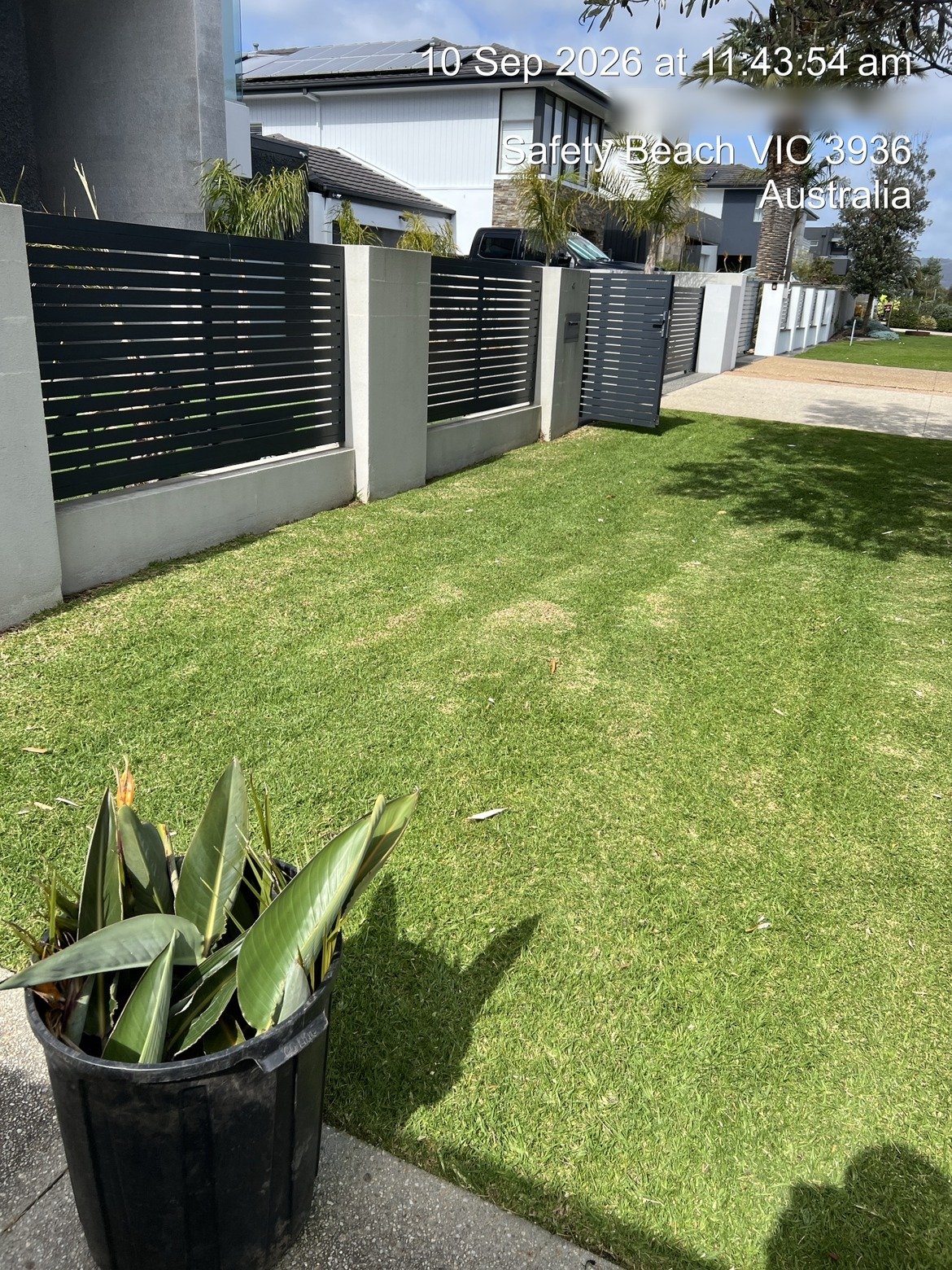
Anything that halts progress at the jobsite gets photographed with a camera app that stamps the time, date and address on the frame.
That photo goes straight onto that site's card.
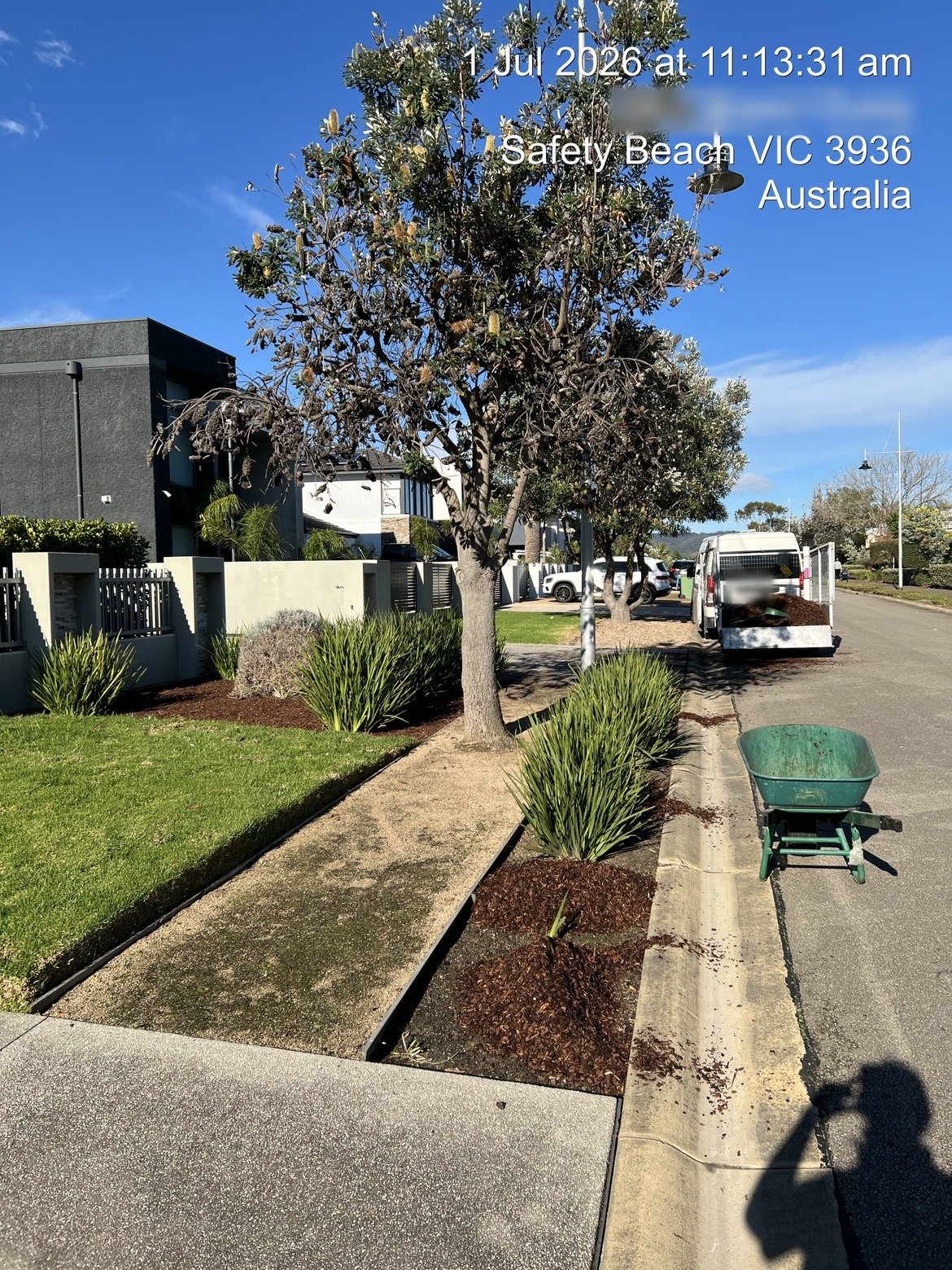
If a client ever questions why something was missed or not done to the agreed standard, the answer is easily available, along with photographic evidence.
3. Capture receipts as you go
Like many sole traders, I used to store all my receipts in an old shoebox.
Come tax time, this meant I had the arduous task of trying to read fading scraps of paper and figure out what expenses they actually related to.
Now, receipts are photographed at the point of issue and uploaded straight into my accounting software.
Don't have one? You can just take pictures of your receipts and store them in a folder on your computer or phone, so they're all in one place for tax time.
4. Create an admin routine that protects your field time
My retainer clients are on recurring invoices that go out on the 28th of every month.
Any extras from that month are added to the same invoice on the 28th, eliminating the need for additional invoices and follow up.
The rest of my admin has a set time, so it doesn’t creep into the rest of my work week:
Every Friday afternoon is scheduled for all work relating to accounts and invoicing.
I lodge my own BAS, done in that same Friday afternoon block.
Scheduling and emails can change every day, so I do a quick review every night.
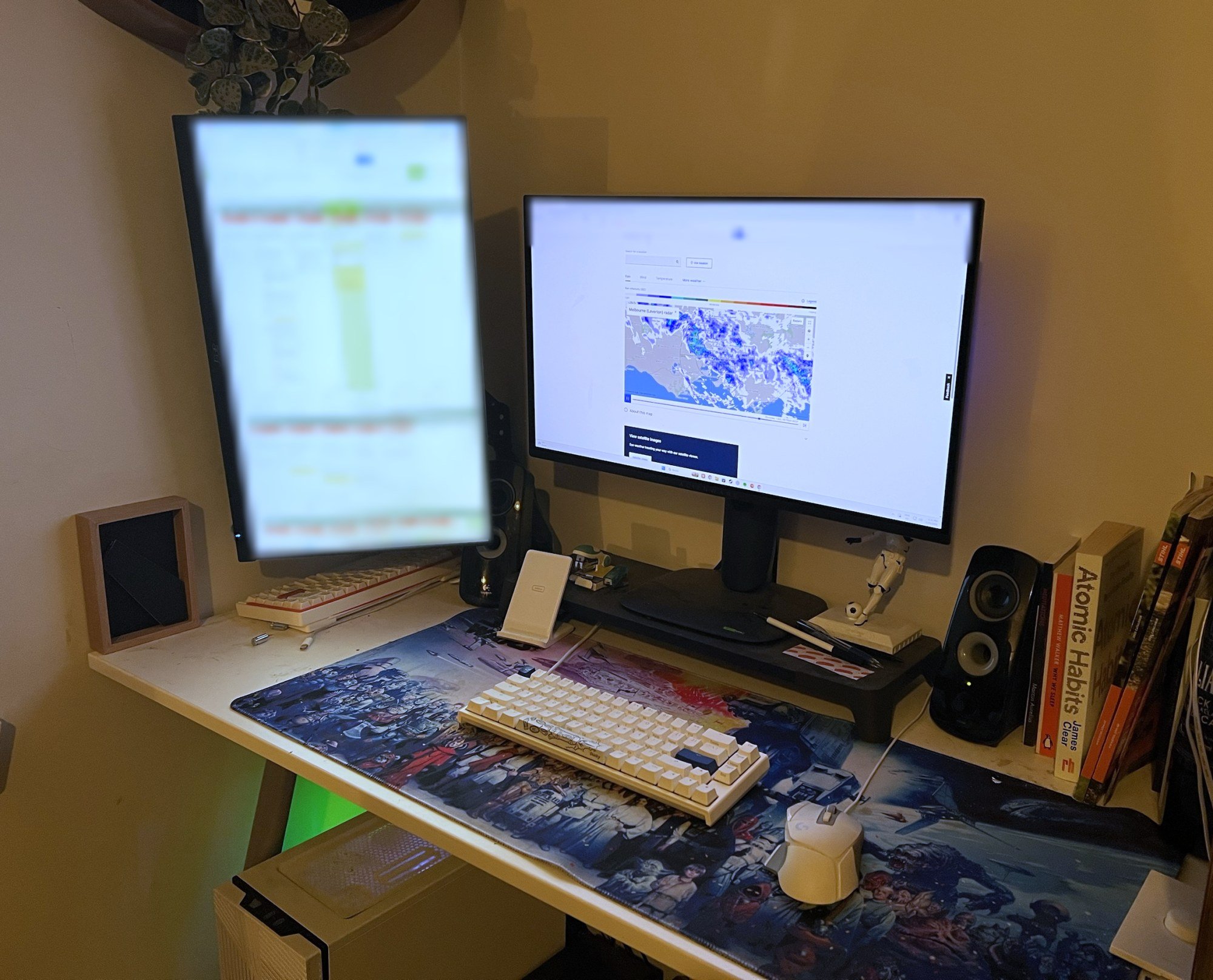
Your schedule might look completely different. The important thing is finding one that works for you, and that you can stick to.
5. Regularly review your expenses
Some costs hide in plain sight. By keeping my costs visible and regularly reviewing prices, I can identify areas where I could cut my expenses without cutting corners.
Here are a couple of examples of how I’ve done this.
Fuel costs
My van uses about 12 litres of diesel per 100 kilometres, and a ute towing a trailer uses even more. Dead kilometres between jobs can add up to thousands of dollars per annum.
Now, my scheduling rule is east or south. Never both.
I do the furthest job first, so the day always works back toward home.
Machine / maintenance costs
A ride-on mower is a $15,000 machine. Keeping up with regular servicing is far cheaper than replacing it.
Early on, I allowed maintenance to slip until I was using mowers with blades about as sharp as a butter knife.
Not only did this increase the chances that my equipment could break beyond my ability to fix it, but it really slowed down my job completion time and limited how many clients I could take on.
The fix was to schedule regular maintenance into the work calendar.
Now, I can see what’s due in one place, such as:
Servicing the ride-on
Changing the push mower's air filter
Greasing the hedger blades
Checking the trailer tyres
I have also learned to do most of the maintenance of equipment work myself, so I can afford to do it more often.
Keep your setup simple
I run my business using:
Job management software for scheduling and site records
A calendar I will actually look at during the week
A compliance folder on Google Drive that I can open on my phone at any site with my certificate of currency, police check, Working with Children Check, White Card and safe work method statement.
At the end of the day, putting a simple process in place often beats another app.
Admin never goes away, but it doesn’t have to eat all your time
Providing a comprehensive and detailed scope when quoting, recording information while it is fresh, scheduling a set time for all tasks and keeping your costs where you can see them are all strategies to keep your admin under control.
You don’t need to fix everything all at once. Pick one habit, start this week, and add the next once it sticks.
About the author
Tim Le Grand runs Kanga Gardening, a grounds maintenance business in Melbourne's south east.
You can read more from Tim or learn about his services at kangagardening.com.au.
Note: Tim is an independent guest contributor and not a Rounded customer. References to accounting software in this article are general, not an endorsement of Rounded.
Contents
Join newsletter
ABOUT ROUNDED
Invoicing and accounting software for sole traders. Get paid faster and relax at tax time.